About Ayama
A brand born from a mother’s love and rooted in generations of Ghanaian tradition.
Our Story
Our Story
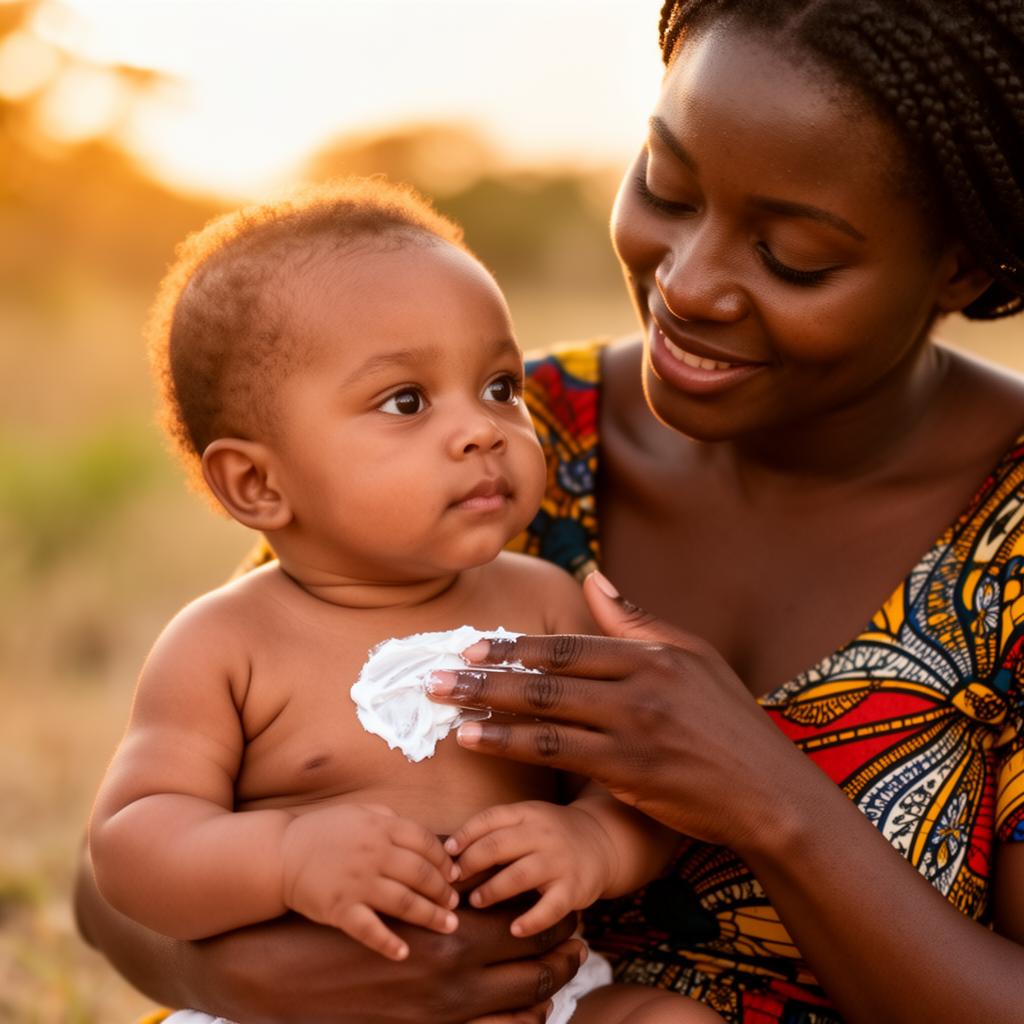
Growing up in Ghana, shea butter was a sacred staple in my home. My mother used it on my siblings and me to keep our skin healthy and deeply moisturised. It was our remedy for everything—from soothing rashes to helping wounds heal naturally. Its healing properties were undeniable, woven into the fabric of our daily life.
When I welcomed my first child into the world, it felt only right to honour this tradition. As someone connected to Ghana, I was able to source shea butter directly from trusted cooperatives, ensuring it was made without additives and preserved in its pure, natural form—exactly as nature intended.
I began sharing this precious butter with friends who had also become mothers, many of whom admired my daughter’s healthy, glowing skin. Their curiosity and appreciation sparked something beautiful—and from that love, Ayama was born.
Ayama is an anagram of my daughter’s name—Abena Gyamfual Afrifa Yamoah—and serves as a constant reminder of the love that birthed this brand. Ayama is truly born from love and rooted in nature.
Our Values
Everything we do is guided by these core principles.
Born from Love
Every jar is filled with the same care and love that inspired Ayama’s creation.
Pure & Natural
100% unrefined shea butter with no additives, preservatives, or chemicals.
Community First
We work directly with women’s cooperatives in Ghana, ensuring fair wages.
Sustainably Sourced
Traditional harvesting methods that respect the land and its people.
The Tradition of Shea
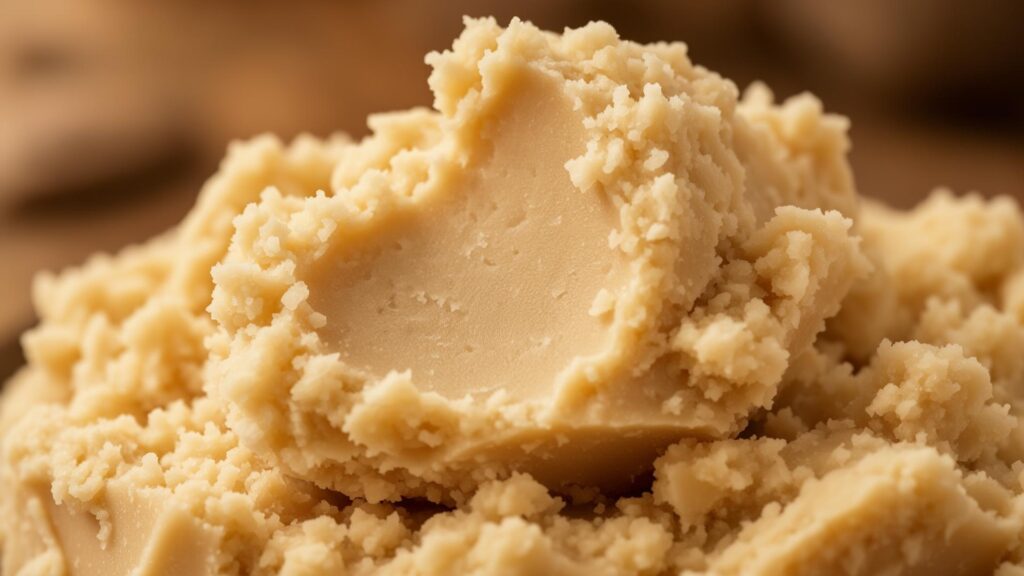
For centuries, shea butter has been a cornerstone of West African skincare. Known as “women’s gold,” it’s traditionally harvested and processed by women, providing income and independence for communities across Ghana.
The shea tree takes 15-20 years to mature and can produce nuts for up to 200 years. This patience and longevity are reflected in the care we put into every jar of Ayama.
By choosing Ayama, you’re not just nourishing your skin—you’re supporting sustainable livelihoods and preserving a tradition that has been passed down through countless generations.